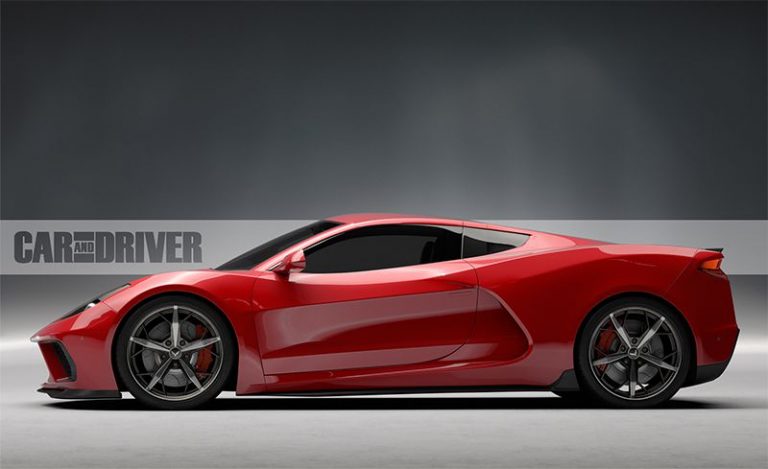
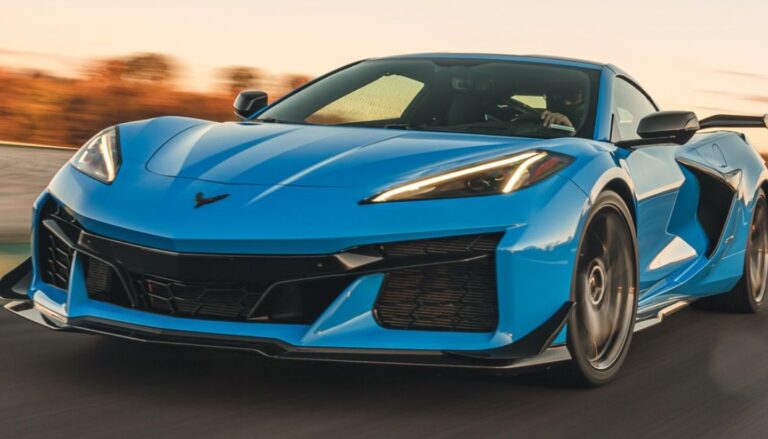
2028 Chevrolet Corvette ZR1 Review, Features, Performance
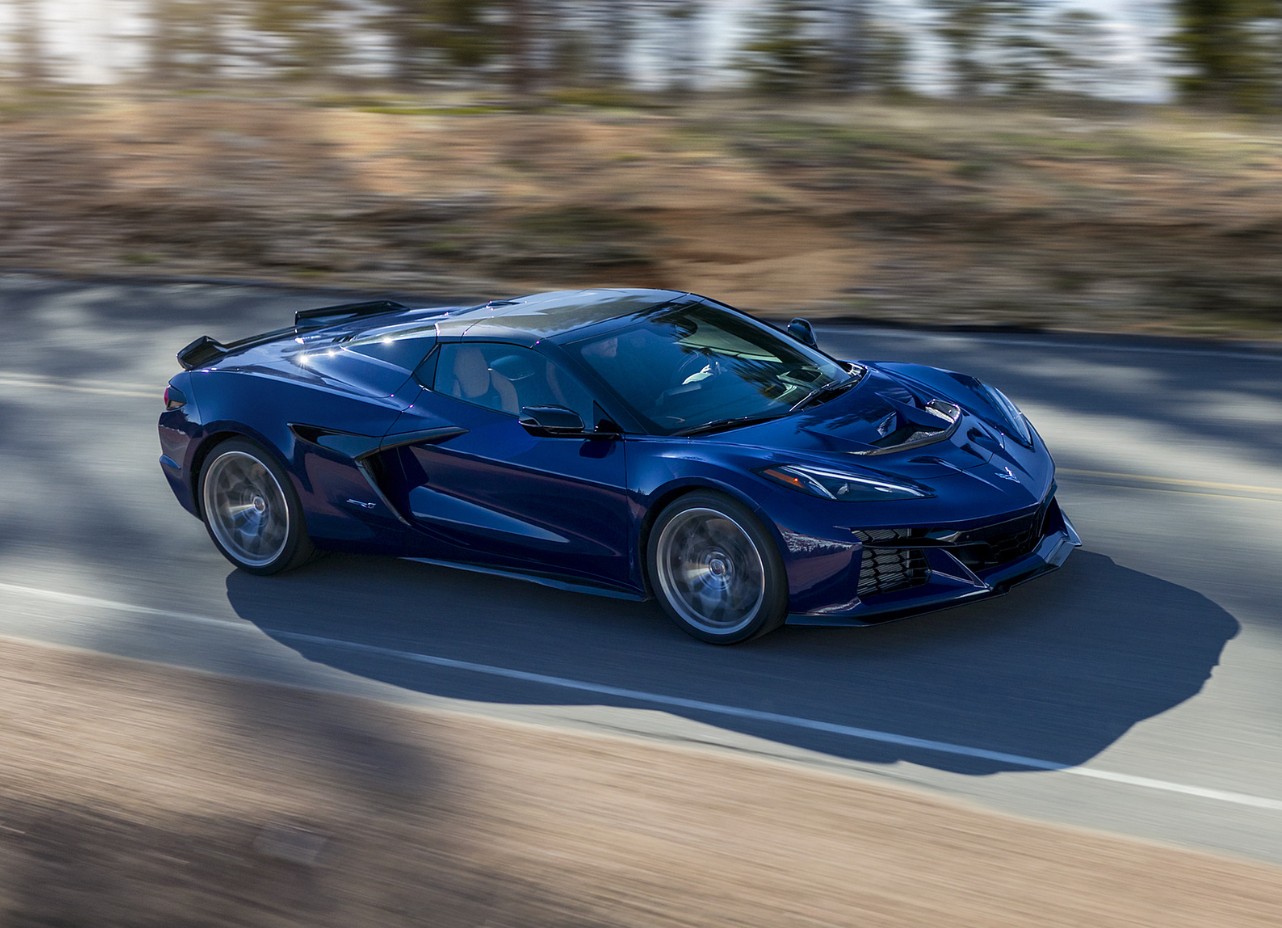
2028 Chevrolet Corvette ZR1 Review, Features, Performance – The 2028 Chevrolet Corvette ZR1 has the potential to become one of the most spectacular American performance cars of the decade, although Chevrolet has not yet officially announced a dedicated 2028 model. The current C8 Corvette ZR1 already occupies an extraordinary position in the Corvette hierarchy, with a twin-turbocharged 5.5-liter flat-plane-crank V8 producing 1,064 horsepower and 828 lb-ft of torque. Chevrolet rates the current ZR1 at as little as 2.3 seconds from 0 to 60 mph and a 9.6-second quarter-mile at 150 mph when appropriately equipped. Those numbers put the mid-engine Corvette firmly into supercar territory rather than merely making it a fast American sports car.
For 2028, the biggest question is not whether Chevrolet can make the ZR1 powerful enough. The current LT7 engine has already crossed the 1,000-horsepower threshold without hybrid assistance. Instead, future development is likely to focus on extracting more usable performance from the existing architecture, improving thermal management, sharpening aerodynamics, refining software and expanding the customization available to buyers. Chevrolet’s 2027 Corvette range already demonstrates how rapidly the C8 family is evolving, with the ZR1 joined by the 1,250-hp combined-output ZR1X. The ZR1X uses the same basic LT7 philosophy but adds electrification and all-wheel drive, giving Chevrolet a higher rung above the conventional ZR1.
That leaves the potential 2028 Corvette ZR1 with a clear role. It can remain the purist’s extreme Corvette: a rear-wheel-drive, twin-turbo V8 supercar without an electric front axle. That distinction matters because the ZR1X already handles the outright acceleration war with 1,250 combined horsepower and a claimed 1.89-second 0-to-60-mph time. A future ZR1 could instead emphasize balance, driver involvement, high-speed stability, track durability and the visceral character of the LT7. Such positioning would allow Chevrolet to sell two radically different interpretations of the ultimate Corvette without making either one redundant.
Because the 2028 model has not been formally revealed, confirmed specifications such as horsepower, torque, pricing, EPA fuel economy and release timing should not be confused with predictions. The current 2027 ZR1 provides the strongest reference point. Chevrolet lists a starting price of $197,700 for the 2027 Corvette ZR1, with 1LZ and 3LZ configurations, coupe and convertible body styles, standard carbon-ceramic brakes and the twin-turbo LT7 V8. A future 2028 version could therefore represent an evolution of an already extraordinary package rather than a completely new generation. 2028 Chevrolet Corvette ZR1 Review
2028 Chevrolet Corvette ZR1 Redesign and Update Plan
Exterior & Interior
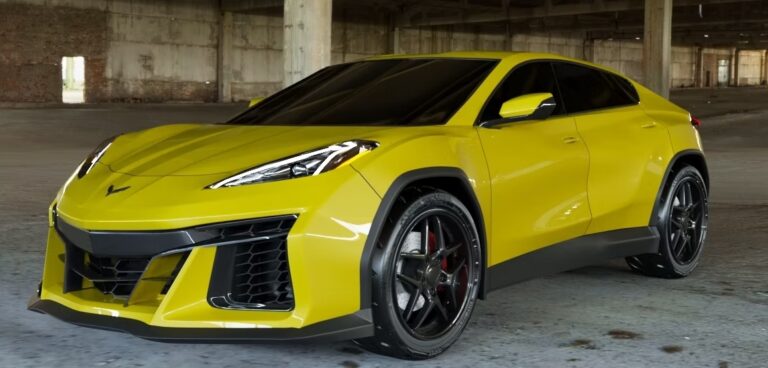
The most sensible 2028 redesign strategy would be evolutionary. The C8 ZR1 is still a relatively recent introduction, and its LT7 powertrain has already established a performance benchmark that does not require a completely new architecture. Chevrolet could instead concentrate on aerodynamic efficiency, cooling, chassis calibration and software. Revised front cooling channels, lighter carbon-fiber components, more efficient intercooling and optimized underbody airflow could produce measurable improvements without dramatically changing the recognizable ZR1 shape.
One of the most interesting opportunities would be further development of the car’s track technology. Chevrolet has already publicized ZR1 track records and lists Magnetic Selective Ride Control 4.0 as standard. The system can adapt damping extremely quickly, helping the car balance road comfort with high-speed control. A future version could refine those algorithms around individual drive modes, tire temperature and brake conditions. More sophisticated thermal monitoring could also help drivers understand when the engine, transmission or brakes are approaching their operating limits during extended track sessions.
The ZR1 could also benefit from weight reduction. Although the C8’s mid-engine architecture provides excellent packaging and balance, the LT7’s cooling requirements, turbocharger system, large brakes and aerodynamic hardware all contribute to a substantial curb mass. Strategic use of carbon fiber could reduce weight without compromising structural integrity. Lighter wheels, seats and interior components could provide additional gains. For a car producing more than 1,000 horsepower, reducing weight can improve braking, cornering, acceleration and tire life simultaneously, making it a more comprehensive performance upgrade than simply increasing engine output.
Release timing remains completely unconfirmed. Chevrolet currently sells the 2027 Corvette ZR1 and has also expanded the Corvette family with the 2027 ZR1X. Consequently, a 2028 ZR1 could arrive as a continuation of the current generation rather than an entirely new Corvette generation. A model-year update could potentially be announced during 2027, but Chevrolet has not published a production calendar for a 2028 ZR1. Until that happens, the current 2027 model should remain the factual reference point rather than treating rumored 2028 specifications as confirmed information.
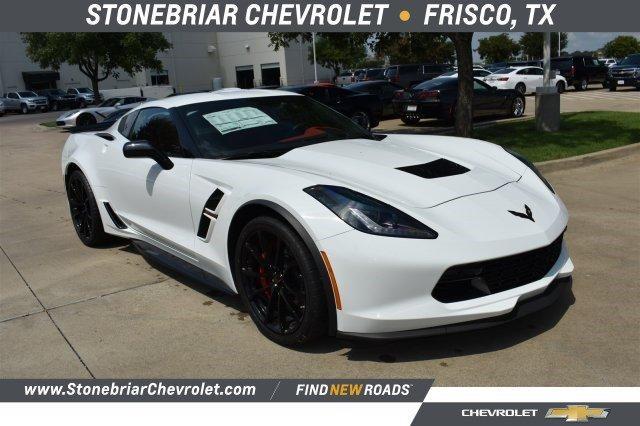
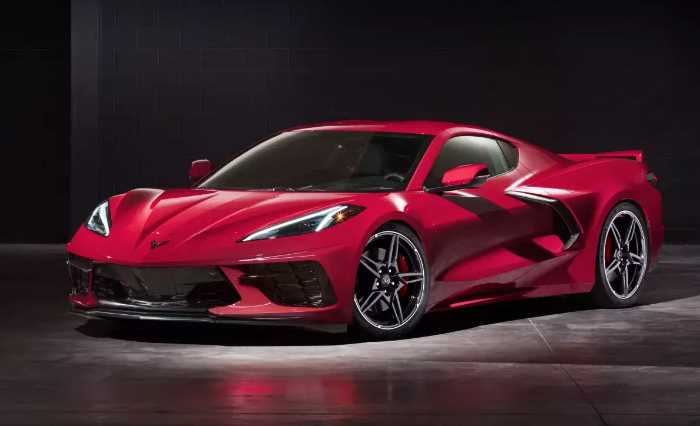
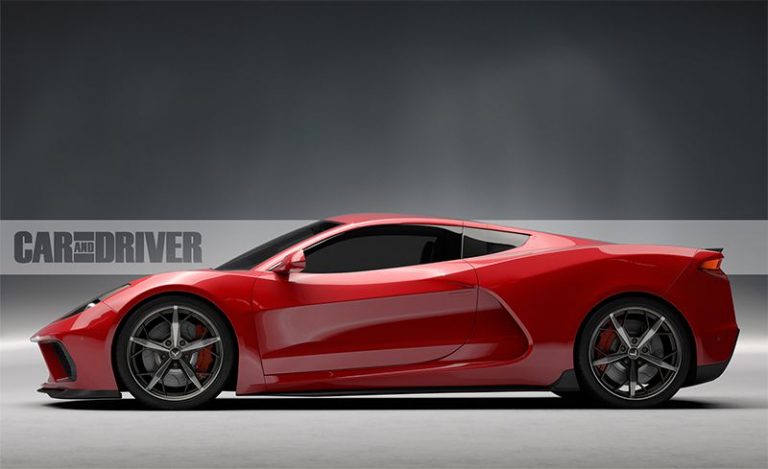
The C8 Corvette ZR1 already looks dramatically different from the standard Stingray, and a potential 2028 version would have little reason to abandon that visual identity. The current ZR1’s bodywork is shaped around cooling and aerodynamic performance, with large side air inlets, a flow-through hood, front splitter, underbody airflow management and an aggressive rear spoiler. Chevrolet describes the ZR1 as having the highest downforce of any production Corvette, while the available carbon-fiber aero package can generate more than 1,200 pounds of downforce. That makes the bodywork functional rather than merely decorative.
A future 2028 update could concentrate on improving airflow efficiency while maintaining the ZR1’s unmistakable silhouette. The LT7’s twin turbochargers generate enormous heat, so cooling is fundamental to sustained performance. The large side inlets are designed to provide additional air for the powertrain and rear brakes, while the flow-through hood helps extract air from the intercooler system. Chevrolet could potentially revise the front splitter, dive planes, underbody channels and rear spoiler to increase stability at high speed without creating excessive drag. For a car capable of 200-plus-mph performance, aerodynamic refinement can be just as important as another few horsepower.
The available ZTK Performance Package is likely to remain a major reference point for any future ZR1 performance strategy. On the current car, ZTK brings the aerodynamic and chassis equipment necessary to unlock the 233-mph track top speed and 2.3-second 0-to-60-mph figure cited by Chevrolet. Carbon-fiber components can reduce weight while contributing to aerodynamic performance, and the ZR1’s wide stance accommodates the tires and brakes necessary to control more than 1,000 horsepower. A 2028 ZR1 could evolve these elements with revised carbon-fiber structures, lighter wheels and additional cooling capacity aimed at repeated track sessions.
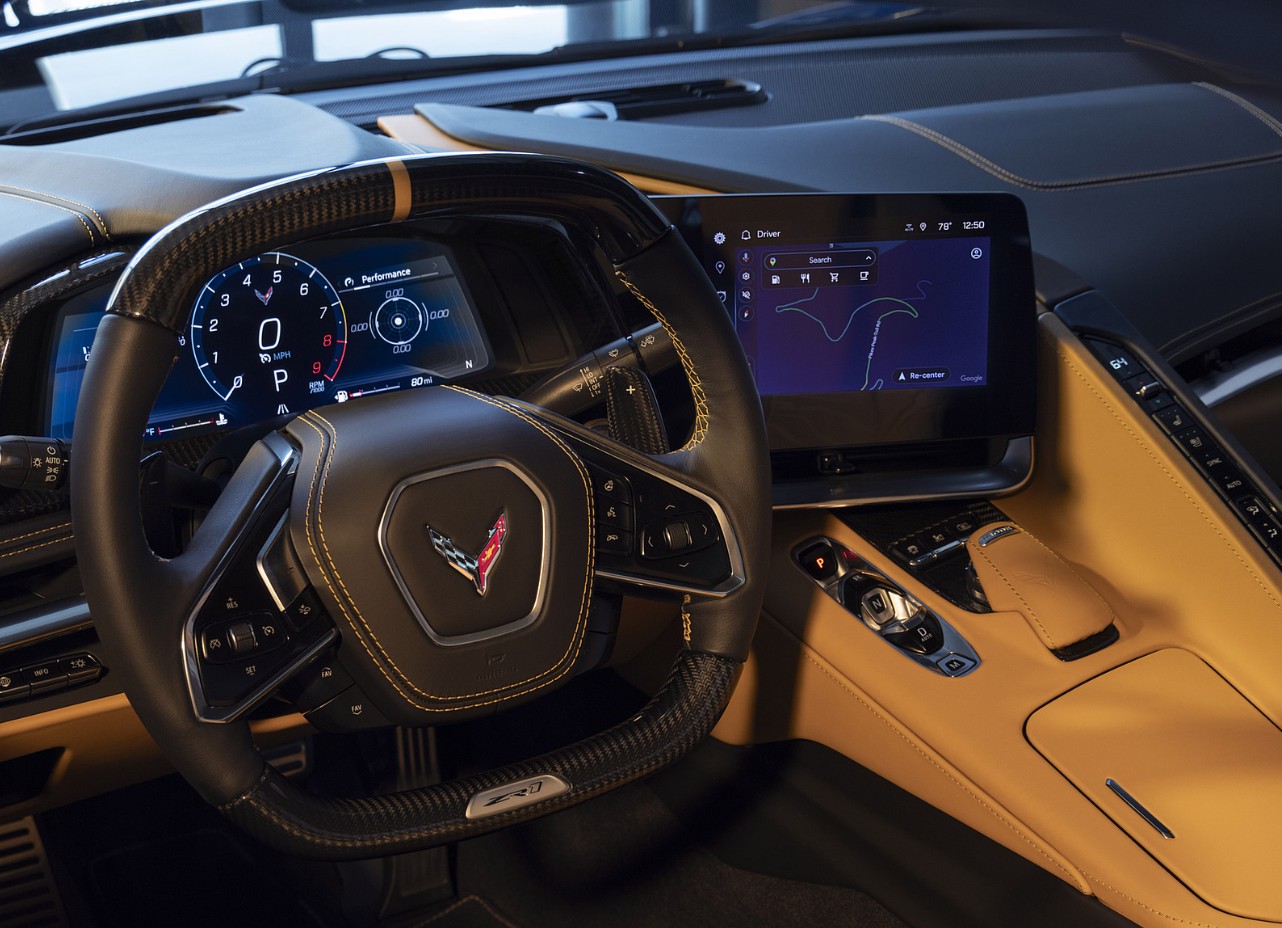
Inside, the Corvette ZR1 combines exotic-car performance with a much more technology-rich environment than earlier generations of Corvette. The current 2027 model features a 12.7-inch center display, a 14-inch Driver Information Center and a 6.6-inch auxiliary touchscreen. Wireless phone projection and a wireless charging pad are standard, while Google built-in provides an integrated software ecosystem. The Performance App can display real-time information including horsepower, torque and other performance data. A future 2028 interior could improve graphics, processing speed, connectivity and data logging while retaining the driver-focused layout that makes the C8 cockpit feel distinctly different from an ordinary luxury sports car.
2028 Chevrolet Corvette ZR1 Specs
Engine & Performance
The most important feature of the current Corvette ZR1 is its LT7 engine. This 5.5-liter DOHC V8 uses a flat-plane crankshaft and twin turbochargers, combining the high-revving character of the Z06’s LT6 with forced induction to produce a staggering 1,064 horsepower at 7,000 rpm and 828 lb-ft of torque at 6,000 rpm. Chevrolet’s engineers have created an engine that is not simply large and powerful; it is a highly specialized performance powertrain designed around the demands of a mid-engine supercar. The 2027 LT7 continues to use an 8,000-rpm redline, giving the ZR1 a remarkably broad performance envelope.
For 2028, there is no official confirmation that Chevrolet will increase the output. In fact, the current 1,064-hp figure already gives the standard ZR1 a logical position below the electrified ZR1X. The more interesting development could therefore involve durability and response rather than simply adding another 50 or 100 horsepower. Improved turbocharger response, intercooling, calibration, engine cooling and transmission software could make the car feel faster without requiring a headline output increase. That approach would also help maintain reliability under repeated track use, where sustained thermal loads are substantially more demanding than a single acceleration run.
The transmission is another critical component. Unlike the manual-transmission philosophy associated with some previous ZR1 generations, the current C8 ZR1 uses an eight-speed dual-clutch transmission. That gearbox is designed to shift rapidly while maintaining the engine within its strongest operating range. With 1,064 horsepower driving the rear wheels, transmission calibration and traction management are fundamental to the ZR1’s ability to convert engine output into usable acceleration. A future 2028 model could receive revised shift mapping, quicker response in performance modes and improved torque management to make the power delivery more predictable when drivers transition from straight-line acceleration to hard cornering.
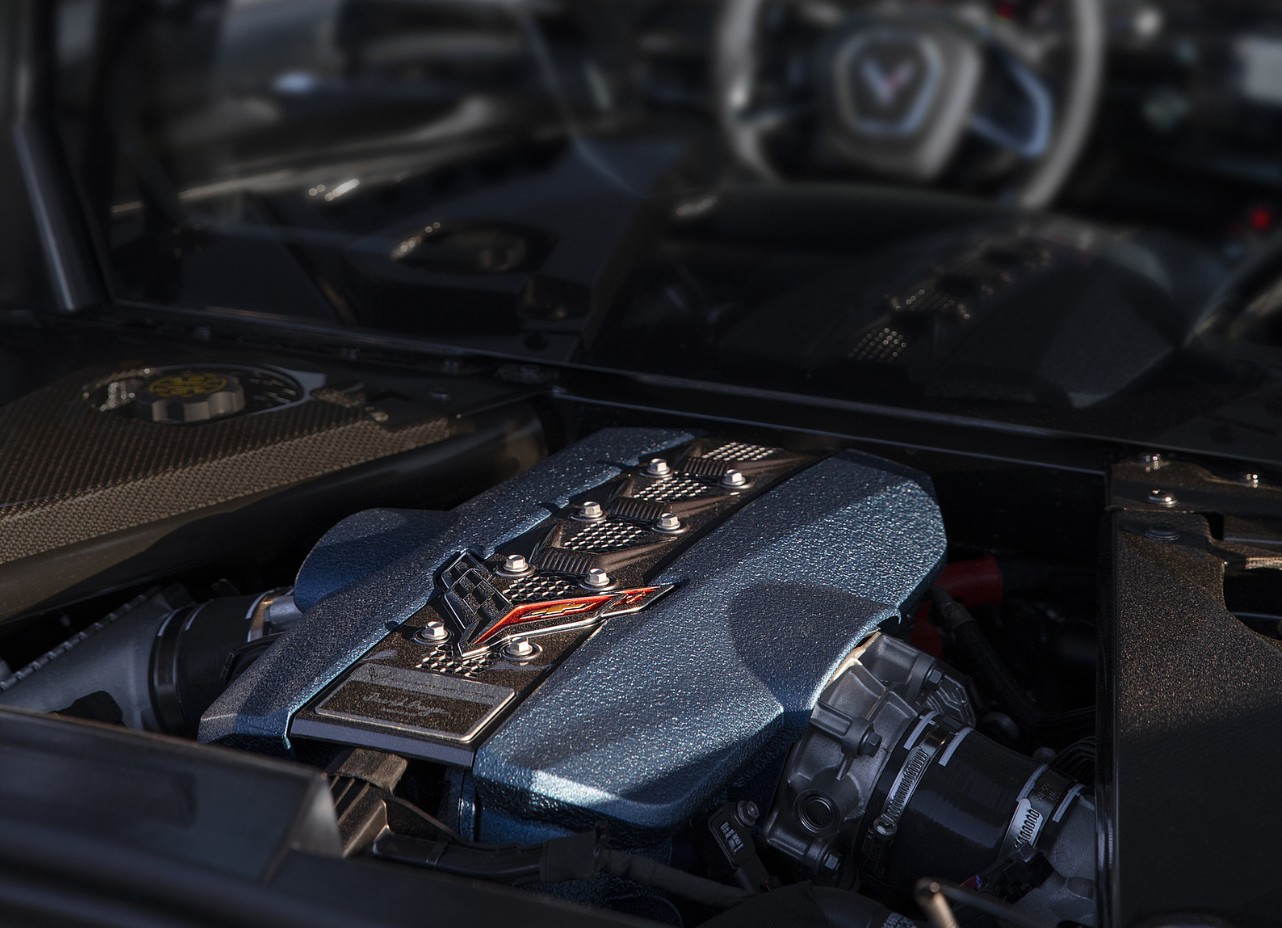
The current performance figures demonstrate how effective the overall package already is. Chevrolet quotes 0 to 60 mph in as little as 2.3 seconds and a 9.6-second quarter-mile at 150 mph. With the available ZTK Performance Package, the ZR1 can reach a 233-mph track top speed. Those figures are extraordinary even by modern hypercar standards, but the ZR1’s real appeal is its combination of acceleration and circuit capability. Magnetic Selective Ride Control 4.0, carbon-ceramic brakes and advanced aerodynamic hardware are designed to keep the car controllable when the speed continues climbing. 2028 Chevrolet Corvette ZR1 Review
2028 Chevrolet Corvette ZR1 Fuel Economy
Fuel economy is not a headline strength of the Corvette ZR1, and Chevrolet has not published a definitive 2028 EPA rating because the 2028 model has not been announced. The current ZR1’s 5.5-liter twin-turbo V8 prioritizes power, cooling and high-speed performance rather than low fuel consumption. The lack of hybrid assistance also differentiates it from the 1,250-hp ZR1X, which combines the LT7 with an electrified all-wheel-drive system. For buyers considering a future ZR1, fuel costs will inevitably be part of ownership, but the car’s purpose is clearly centered on performance rather than economy.
2028 Chevrolet Corvette ZR1 Safety Features
The Corvette ZR1 is built around extreme performance, but it still needs to function as a road-legal vehicle. Modern driver assistance therefore plays an increasingly important role. Chevrolet has equipped the C8 Corvette family with technologies such as rear vision cameras, rear cross-traffic alert, blind-zone monitoring and other electronic assistance features depending on configuration. The ZR1 also benefits from the C8’s advanced electronic architecture, which allows performance controls, chassis systems, braking functions and driver displays to work together rather than operating as isolated systems.
A future 2028 model could bring more sophisticated active safety technology, particularly through software improvements and updated sensor processing. Adaptive cruise control, enhanced forward collision warning, automatic emergency braking and more advanced parking assistance would make sense for a supercar that can be used on ordinary roads. The important point is that safety technology should remain discreet during performance driving. Owners buying a ZR1 are likely to expect the electronics to protect and inform them without interfering unnecessarily with the deliberate inputs required on a circuit.
The technology inside the ZR1 is already closely tied to performance. Chevrolet’s Performance App allows drivers to monitor horsepower and torque in real time, while the digital displays provide information that can be configured around the driving situation. The ZR1 also offers PTM Pro, which allows advanced drivers to move between traction-management assistance and fully unassisted operation without leaving PTM mode. That is an unusually serious feature for a road car and demonstrates how Chevrolet has designed the ZR1 for experienced drivers rather than simply building a powerful machine for straight-line acceleration.
2028 Chevrolet Corvette ZR1 Release Date & Price
The current Corvette ZR1 uses a relatively simple two-tier trim strategy: 1LZ and 3LZ. For 2027, Chevrolet lists the 1LZ coupe and convertible starting at $197,700, while the 3LZ starts at $208,700 on the detailed ZR1 model page. The 1LZ includes features such as a visible carbon-fiber roof panel on the coupe, eight-way power GT1 or Competition Sport seats, a 10-speaker Bose premium audio system, a 12-inch color instrument cluster and carbon-fiber exterior components. This provides a relatively focused entry point into one of America’s most powerful production cars.
The 3LZ configuration moves the ZR1 further into luxury territory. It adds a 14-speaker Bose Performance Series audio system, heated and ventilated Napa leather GT2 or Competition Sport seats with power lumbar and wing adjustment, a leather-wrapped steering wheel with carbon-fiber trim, suede microfiber upper interior trim and custom leather-wrapped sections throughout the cabin. This approach lets buyers decide whether their ZR1 should emphasize track-focused minimalism or premium materials. A 2028 version could retain 1LZ and 3LZ while adding new appearance combinations, carbon-fiber options and technology upgrades.
Performance packages could become even more important than the trim levels themselves. The ZTK Performance Package is the obvious example because it changes the vehicle’s high-speed aerodynamic and performance capability. The available carbon-fiber aero package adds a large wing, underbody strakes and dive planes capable of producing more than 1,200 pounds of downforce. Buyers can also choose the convertible body style, making the ZR1 unusual among extreme supercars because it can combine enormous performance with open-air driving.
Pricing for 2028 has not been announced. The current 2027 starting figure of $197,700 provides a realistic baseline, but a future model would likely cost more if Chevrolet adds equipment or continues the normal annual price progression. A starting MSRP around or above $200,000 would be a reasonable projection, while heavily optioned ZR1s could move substantially higher. Chevrolet’s current “as shown” pricing demonstrates how quickly the final transaction price can rise with equipment. Any 2028 estimate should therefore be treated as a forecast rather than an official Chevrolet figure. 2028 Chevrolet Corvette ZR1 Review
Conclusion
The 2028 Chevrolet Corvette ZR1 has an unusually strong foundation to build upon. The current car already delivers 1,064 horsepower and 828 lb-ft of torque from a 5.5-liter twin-turbo flat-plane-crank V8, while its mid-engine layout, eight-speed dual-clutch transmission, carbon-ceramic brakes and sophisticated suspension allow the power to be used far beyond a simple straight-line acceleration run. Chevrolet has effectively transformed the Corvette ZR1 from a high-performance sports car into a genuine American supercar.
The arrival of the 1,250-hp ZR1X makes the future positioning of the standard ZR1 even more interesting. Rather than trying to compete directly with the ZR1X’s 1.89-second acceleration, a future ZR1 could emphasize the purity of rear-wheel drive and the character of the LT7 V8. That would create a meaningful distinction between the two cars. One could be the ultimate electrified Corvette, while the other remains the purist’s choice for those who want enormous combustion-engine performance without an electric front axle.
A successful 2028 update would therefore not need an extravagant horsepower increase. Better aerodynamics, more efficient cooling, lighter materials, sharper software, improved track data and more sophisticated driver assistance could make the ZR1 substantially better without compromising its identity. The existing ZR1 is already powerful enough to challenge the world’s most expensive performance cars, so refinement and usability may ultimately deliver more value than another headline number.
For now, Chevrolet has not officially confirmed the 2028 Corvette ZR1, its price, release date or technical specifications. The 2027 ZR1 remains the strongest reference, with a starting price of $197,700, 1,064 horsepower, a 2.3-second 0-to-60-mph claim and a 233-mph track top speed when equipped appropriately. If Chevrolet carries this formula into 2028 with carefully targeted improvements, the ZR1 could remain one of the most remarkable examples of American performance engineering—and one of the last great expressions of a high-output, non-hybrid V8 supercar.